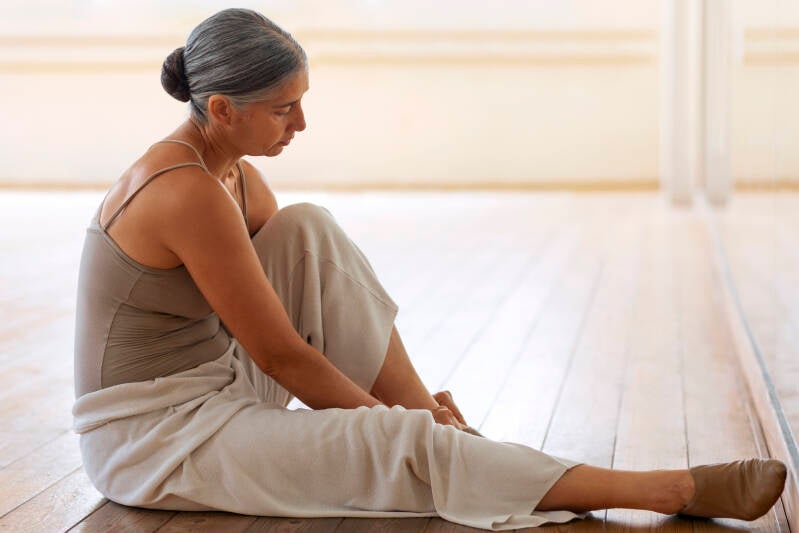
Living with chronic fatigue can feel like you're constantly running on an empty battery.
Simple activities such as getting dressed, preparing a meal, shopping or walking around the house can leave you feeling exhausted. Even after a full night's sleep, many people continue to wake feeling tired and struggle to find the energy to get through the day.
Chronic fatigue affects many people and can occur alongside conditions such as long COVID, autoimmune diseases, persistent pain, cancer recovery and other long-term health conditions. It can also be experienced without one single identifiable cause.
Unlike everyday tiredness, chronic fatigue doesn't simply improve with a good night's sleep. It can affect your physical energy, concentration, memory, motivation and ability to participate in everyday life.
Because fatigue can be so overwhelming, many people believe they should avoid exercise altogether.
While rest certainly has an important role, complete inactivity is not always the most helpful approach. The key is finding the right balance between movement and recovery.
Why Moving Can Feel So Difficult
When you're already exhausted, the thought of exercising can seem impossible. Many people worry that movement will make their fatigue worse or leave them needing days to recover. Sometimes this does happen, particularly if exercise is too intense or progresses too quickly. This is why exercise for chronic fatigue looks very different from traditional fitness programs.
The goal isn't to push through exhaustion or "train harder." Instead, the focus is on helping your body move in ways that feel manageable while respecting your current energy levels.
The Benefits of Gentle Movement
Appropriately prescribed movement can help maintain the physical abilities we rely on every day.
Gentle exercise may help:
- maintain muscle mass and strength
- improve circulation
- reduce stiffness
- support balance and mobility
- improve confidence with movement
The aim isn't to leave you tired. It's to help your body maintain function while working within your available energy.
Understanding the Boom and Bust Cycle
Many people living with chronic fatigue experience what's known as the "Boom and Bust" cycle.
You have a good day, so you catch up on everything you've been putting off. You clean the house, go shopping, meet friends and finally tick jobs off your list. The following day, you're completely exhausted and may need several days to recover.
Over time, this cycle can become frustrating and discouraging. Learning to pace your activity can help reduce these large fluctuations. Pacing means balancing activity with planned rest, breaking larger tasks into smaller ones and gradually building your activity levels over time.
Consistency is often far more beneficial than quantity and intensity leading to you doing too much on your good days.
What Exercise Looks Like
Exercise doesn't have to be intense to be effective.
For many people living with chronic fatigue, simple movements performed consistently are often the most beneficial.
Activities may include:
- short walks
- gentle strengthening exercises
- sit-to-stands
- seated marching
- stretching and mobility exercises
- breathing and relaxation exercises
Some days you may only manage a few minutes of movement. That's okay. Small amounts of movement still count. The goal is to support your body, not overwhelm it.
Listening to Your Body
Learning how your body responds to movement is an important part of managing chronic fatigue. If exercise regularly leaves you feeling significantly worse for several days, it may be a sign that the intensity, duration or frequency needs adjusting. Exercise should feel manageable.
You may feel pleasantly challenged, but it shouldn't leave you completely depleted or unable to complete your normal daily activities afterwards. Finding the right balance often takes time, and everyone's starting point is different.
How an Exercise Physiologist Can Help
Knowing how much exercise is appropriate can be difficult when living with chronic fatigue.
An Exercise Physiologist can help you develop a personalised program based on your current energy levels, medical history and goals. Rather than focusing on pushing harder, we focus on helping you move in ways that feel achievable, sustainable and meaningful.
This may include improving your strength for everyday activities, building confidence with movement, managing fatigue through pacing strategies and gradually increasing your tolerance over time.
To book an appointment with Kita click here. Get started by downloading the PDF resource page on Chronic Fatigue and Movement here. Interested in other topics too? follow link to see the range of resource pages available here.